Will Roscoe (b. February 8, 1955) is a settler writer, researcher, and LGBTQ+ activist whose work has significantly shaped scholarship on gender diversity and Two-Spirit histories. Born in Missoula, Montana, Roscoe became involved in queer organizing during the 1970s, a period marked by the expansion of gay and lesbian political movements in the United States.
While a student at the University of Montana, he helped found one of the state’s earliest LGBTQ+ organizations, contributing to the development of grassroots community structures at a time when such networks were still emerging. He later engaged with national advocacy work through an internship with the National Gay and Lesbian Task Force and helped organize statewide coalitions, including efforts in Oregon to connect and support LGBTQ+ groups across the region.
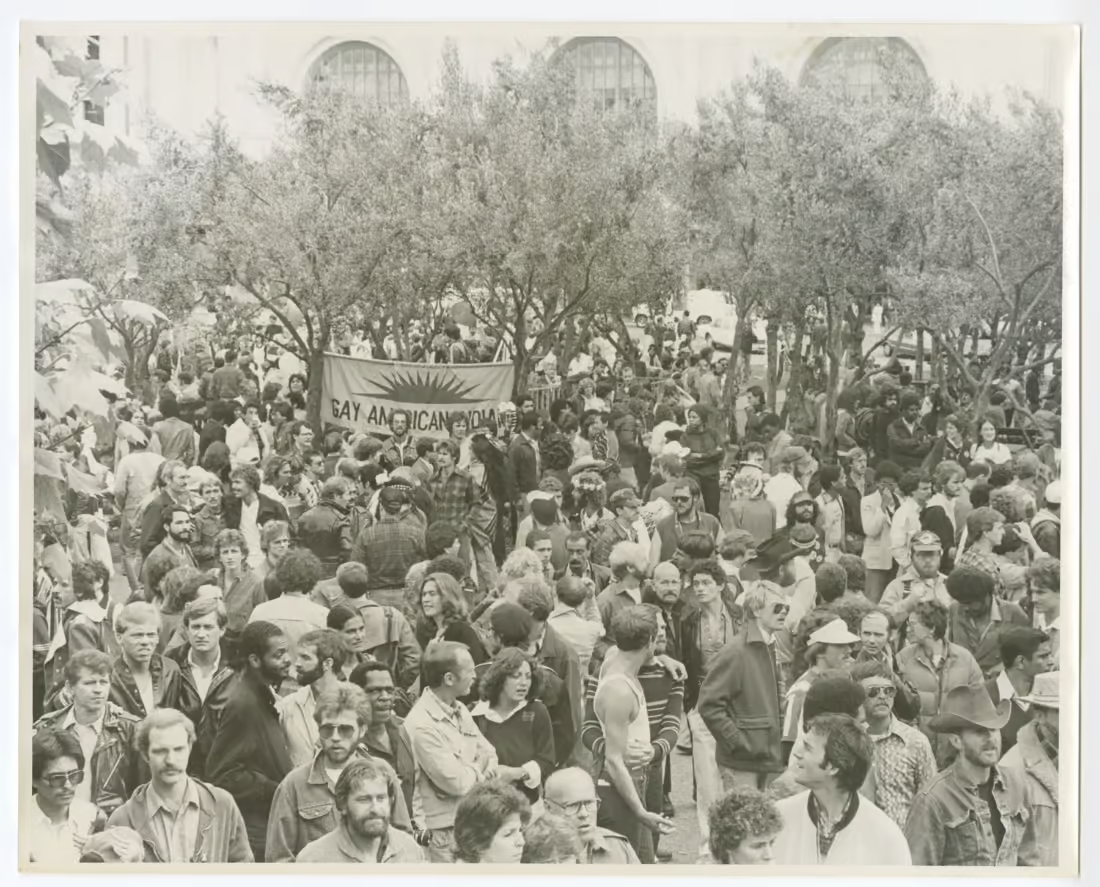
After moving to San Francisco in the late 1970s, Roscoe became active in broader community organizing and political campaigns, including initiatives to secure recognition and funding for LGBTQ+ social services. His work intersected with key figures in gay liberation movements and with collectives such as Gay American Indians (GAI), where he contributed to ongoing conversations about Indigenous gender diversity and the historical use and critique of terms like “berdache.”
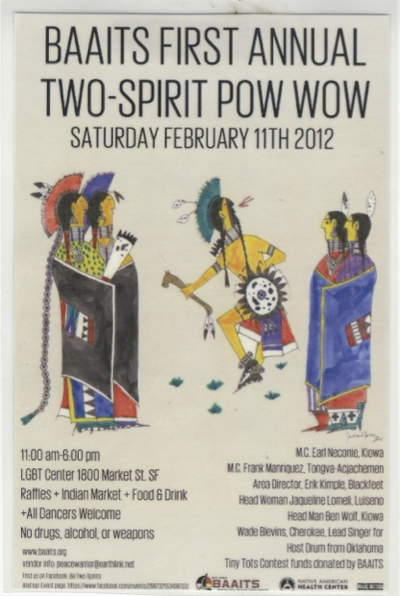
Roscoe is also known for his collaborations with thinkers and activists such as Harry Hay and for his involvement in projects that supported alternative queer community spaces, including retreat and gathering sites. His later work includes editing and publishing writings central to the history of gay liberation, as well as producing influential scholarship that has contributed to contemporary understandings of Two-Spirit identities in both academic and community contexts (biography synthesized from https://willsworld.org/ and https://en.wikipedia.org/wiki/Will_Roscoe)